Bade Ganesh Temple
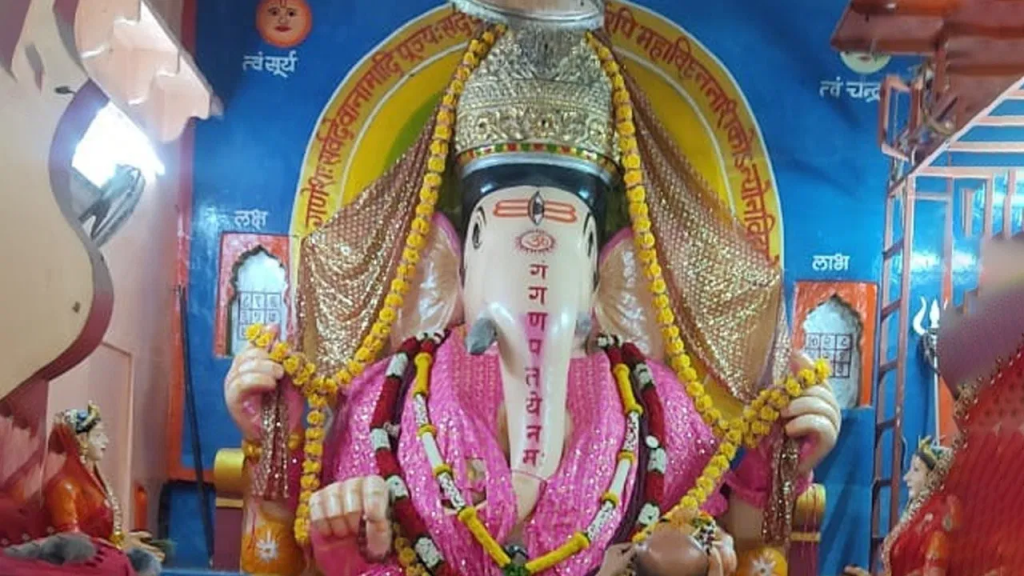
Bade Ganesh Temple, also known as Bade Ganeshji Ka Mandir, is one of the well-known temples in Ujjain, Madhya Pradesh. Located close to the famous Mahakaleshwar Jyotirlinga, the temple is dedicated to Lord Ganesha and is especially recognised for its large and beautifully decorated idol.
The temple is an important stop for devotees exploring the Mahakal area. Along with the main Ganesha idol, visitors can also see the images of Riddhi and Siddhi and a Panchmukhi Hanuman shrine. Its religious atmosphere and association with traditional Sanskrit and astrology learning make it an interesting part of Ujjain’s spiritual heritage.
Where Is Bade Ganesh Temple Located in Ujjain?
Bade Ganesh Temple is situated in the Mahakaleshwar Temple area of Ujjain, Madhya Pradesh. It is very close to the Mahakaleshwar Temple and can conveniently be included in the same temple visit.
Because of its central location, devotees often visit Bade Ganeshji before or after Mahakal darshan. The temple is also a convenient stop when exploring other religious places in the old city.
- Temple name: Bade Ganeshji Ka Mandir
- Main deity: Lord Ganesha
- Location: Mahakal area, Ujjain, Madhya Pradesh, India
- Known for: Large Ganesha idol and Panchmukhi Hanuman shrine
- Nearby landmark: Shri Mahakaleshwar Temple
Why Is Bade Ganesh Temple Famous?
The temple is named after its large idol of Lord Ganesha. The word “Bade” means large, and the impressive size of the deity is the main reason the temple is popularly known as Bade Ganeshji.
Lord Ganesha is worshipped in Hindu tradition as Vighnaharta, the remover of obstacles, and as the deity of wisdom and auspicious beginnings. Devotees visit this temple to offer prayers and seek blessings before starting important activities, studies, business ventures and family occasions.
The temple is also recognised for its association with Sanskrit and astrology learning, reflecting Ujjain’s long-standing connection with traditional knowledge and religious scholarship.
Unique Features of Bade Ganeshji Temple
1. The Large Idol of Lord Ganesha
The main attraction is the imposing idol of Lord Ganesha in the temple’s sanctum. Its size, colourful decoration and distinctive appearance make it one of the memorable Ganesha shrines in Ujjain.
Some local descriptions associate the idol’s traditional construction with ingredients such as jaggery (gud) and fenugreek seeds (methi dana). This is best understood as a local traditional account rather than a scientifically verified description of the idol’s composition.
2. Riddhi and Siddhi
The temple also features representations of Riddhi and Siddhi associated with Lord Ganesha. In Hindu tradition, Riddhi is connected with prosperity and abundance, while Siddhi represents accomplishment and spiritual attainment.
Their presence adds to the devotional significance of the temple and reflects the traditional symbolism associated with Lord Ganesha.
3. Panchmukhi Hanuman Temple
Another notable feature within the temple premises is the idol of Panchmukhi Hanuman, the five-faced form of Lord Hanuman.
Hanuman is worshipped as a symbol of devotion, courage, strength and service. The Panchmukhi form has a special place in several Hindu devotional traditions. Visitors interested in the religious features of the temple should not miss this shrine.
Religious Significance of Bade Ganesh Temple
Lord Ganesha is traditionally worshipped before beginning important religious ceremonies, journeys and new ventures. This custom is known as seeking the blessings of Pratham Pujya Ganesh.
Devotees visit Bade Ganeshji with different prayers and intentions, including:
- Wisdom and learning: Students and families offer prayers for knowledge, concentration and academic progress.
- New beginnings: Devotees seek blessings before starting a business, a new project or an important journey.
- Prosperity: Families pray for well-being, stability and abundance.
- Removal of obstacles: Lord Ganesha is worshipped as Vighnaharta, the remover of obstacles.
- Family occasions: Devotees may visit the temple before important ceremonies and celebrations.
These practices reflect Hindu religious beliefs and devotional traditions. They should be understood as expressions of faith rather than guarantees of specific results.
Rituals and Offerings at Bade Ganesh Temple
Devotees offer prayers to Lord Ganesha according to their family customs and the temple’s prevailing arrangements. Common offerings associated with Ganesha worship include:
- Modak: A traditional sweet closely associated with Lord Ganesha.
- Durva grass: A traditional offering used in Ganesha worship.
- Flowers: Offered as a mark of devotion and respect.
- Coconut: Commonly offered during Hindu prayers and rituals.
- Laddus: Traditional sweets offered as prasad.
Offerings and worship arrangements may vary. Visitors should follow the instructions of the temple staff and avoid bringing items that are not permitted.
Bade Ganesh Temple Timings and Aarti
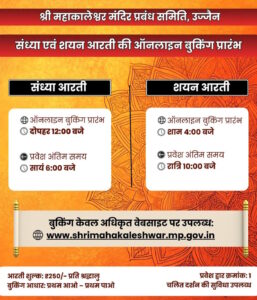
Temple opening hours and aarti arrangements can vary according to the day, festival and local religious schedule. Some online guides publish specific morning and evening timings, but these should not be treated as a guaranteed daily schedule without confirmation.
If you wish to attend an aarti, check the latest timings locally before planning your visit. During Ganesh Chaturthi, Shravan and other important occasions, allow extra time for darshan because the number of devotees may increase.
Ganesh Chaturthi Celebration at Bade Ganesh Temple
Ganesh Chaturthi is one of the important festivals associated with Lord Ganesha. The festival celebrates the birth of Lord Ganesha and is observed with prayers, offerings and special devotional activities.
During this period, devotees visit Ganesha temples to offer prayers and participate in religious celebrations. Bade Ganesh Temple also attracts devotees during the festival because of its prominent Ganesha idol and location near Mahakaleshwar.
Wednesdays are also traditionally considered auspicious for Lord Ganesha worship. Visitors planning to come on festival days or popular religious occasions should allow additional time for darshan and local travel.
Temples to Visit Near Bade Ganesh Temple
One of the advantages of visiting Bade Ganesh Temple is its location in the Mahakal area. Several important religious sites can be included in the same sightseeing plan.
1. Mahakaleshwar Jyotirlinga
Mahakaleshwar Temple is one of the twelve Jyotirlingas dedicated to Lord Shiva. It is the most prominent pilgrimage destination in Ujjain and is famous for its daily Bhasma Aarti.
2. Harsiddhi Temple
Maa Harsiddhi Temple is an important Shakti shrine in Ujjain. The temple is especially known for its traditional religious significance and its distinctive Deep Stambhas.
3. Gadkalika Temple
Gadkalika Temple is dedicated to Goddess Kalika and is associated with the religious and cultural heritage of Ujjain.
4. Chintaman Ganesh Temple
Chintaman Ganesh Temple is another important Ganesha shrine located outside the main Mahakal area. It is traditionally associated with the Swayambhu form of Lord Ganesha and attracts devotees throughout the year.
5. Kal Bhairav Temple
Kal Bhairav Temple is one of Ujjain’s distinctive religious destinations and is dedicated to Lord Kal Bhairav, a fierce form of Lord Shiva.
For a broader list of temples and attractions, read our guide to Ujjain Darshan and the top places to visit.
How to Reach Bade Ganesh Temple, Ujjain
Bade Ganesh Temple is located in the central Mahakal area and is accessible by local transport.
By Train
Ujjain Junction is the main railway station serving the city. From the station, visitors can reach the Mahakaleshwar area by auto-rickshaw, taxi or other local transport. The journey distance and time depend on the route and traffic.
By Road
Ujjain is connected to Indore, Bhopal and other major cities by road. Visitors travelling by private vehicle can reach the Mahakal area, subject to local traffic and parking restrictions.
By Air
The nearest major airport is Devi Ahilyabai Holkar Airport in Indore. From the airport, visitors can travel to Ujjain by road using a taxi or other transport service.
Need a Taxi for Ujjain Temple Sightseeing?
Planning to visit Bade Ganesh Temple, Mahakaleshwar, Harsiddhi, Kal Bhairav and other temples? You can enquire about local taxi arrangements for convenient sightseeing around Ujjain.
Useful Tips for Visitors
- Combine Bade Ganesh Temple with Mahakaleshwar darshan to make the most of your visit to the Mahakal area.
- Visit early in the day if you prefer a relatively quieter temple experience.
- Allow additional time during Ganesh Chaturthi, Shravan and other major religious occasions.
- Follow the temple’s instructions regarding footwear, photography and offerings.
- Dress respectfully and maintain the sanctity of the temple premises.
- Check current darshan and aarti arrangements before travelling.
- Keep some extra time for nearby temples and local sightseeing.
Frequently Asked Questions About Bade Ganesh Temple
1. Where is Bade Ganesh Temple located?
Bade Ganesh Temple is located in the Mahakal area of Ujjain, Madhya Pradesh, close to Shri Mahakaleshwar Temple.
2. Why is it called Bade Ganesh Temple?
The temple is named after its large and impressive idol of Lord Ganesha. “Bade” means large or big.
3. Which deity is worshipped at Bade Ganesh Temple?
Lord Ganesha is the presiding deity. The temple premises also feature representations of Riddhi and Siddhi and a Panchmukhi Hanuman shrine.
4. What is special about the Ganesha idol?
The temple is famous for its large, beautifully decorated Ganesha idol. Some local accounts describe traditional ingredients such as jaggery and fenugreek seeds in its construction, though this should be treated as a traditional account.
5. Is there a Panchmukhi Hanuman idol in the temple?
Yes. A Panchmukhi, or five-faced, Hanuman shrine is one of the notable religious features of the temple premises.
6. What are the darshan timings of Bade Ganesh Temple?
Opening and closing timings may vary according to the temple schedule and special occasions. Visitors should confirm the current timings locally before travelling.
7. What offerings can I take to Bade Ganesh Temple?
Traditional offerings associated with Lord Ganesha include modaks, laddus, durva grass, flowers and coconuts. Follow the temple’s current instructions about permitted offerings.
8. Is Bade Ganesh Temple near Mahakaleshwar Temple?
Yes. Bade Ganesh Temple is located very close to Mahakaleshwar Temple, making it convenient to visit both during the same trip to the Mahakal area.
9. Is Bade Ganesh Temple the same as Chintaman Ganesh Temple?
No. Bade Ganesh Temple is situated near Mahakaleshwar Temple in the city centre, while Chintaman Ganesh Temple is a separate Ganesha shrine located outside the main Mahakal area.
10. Which festival is important at Bade Ganesh Temple?
Ganesh Chaturthi is an important festival for devotees of Lord Ganesha. The temple may also receive more visitors on Wednesdays and other auspicious occasions.
11. Can I visit Bade Ganesh Temple and Mahakaleshwar Temple on the same day?
Yes. Their close proximity makes it convenient to include both temples in one visit. Allow enough time for queues, darshan and other temple activities.
12. How can I arrange local transport for temple visits in Ujjain?
You can use local auto-rickshaws or enquire about a private taxi for sightseeing. Confirm the route, vehicle, duration and fare before starting your journey.
Conclusion
Bade Ganesh Temple is an important stop for devotees visiting Ujjain. Its large idol of Lord Ganesha, the presence of Riddhi and Siddhi, and the Panchmukhi Hanuman shrine make it a distinctive place of worship in the Mahakal area.
Its close location to Mahakaleshwar Temple also makes it easy to include in a wider Ujjain pilgrimage. Whether you are visiting to offer prayers, seek blessings before a new beginning or explore the city’s religious heritage, Bade Ganeshji is worth including in your Ujjain darshan itinerary.
Planning Your Ujjain Darshan?
Explore important temples, arrange local sightseeing and plan your stay before travelling. Ujjain Darshan can assist with selected pooja arrangements, taxi enquiries and travel planning.
Disclaimer: This article is an independent visitor guide and is not an official publication of the temple. Temple timings, aarti schedules, entry arrangements and festival programmes may change. Please verify current details locally before travelling. Religious beliefs and traditional accounts are presented for informational purposes.




5 thoughts on “Bade Ganesh Temple”
Comments are closed.