Benefits of Ketu Jaap in Ujjain
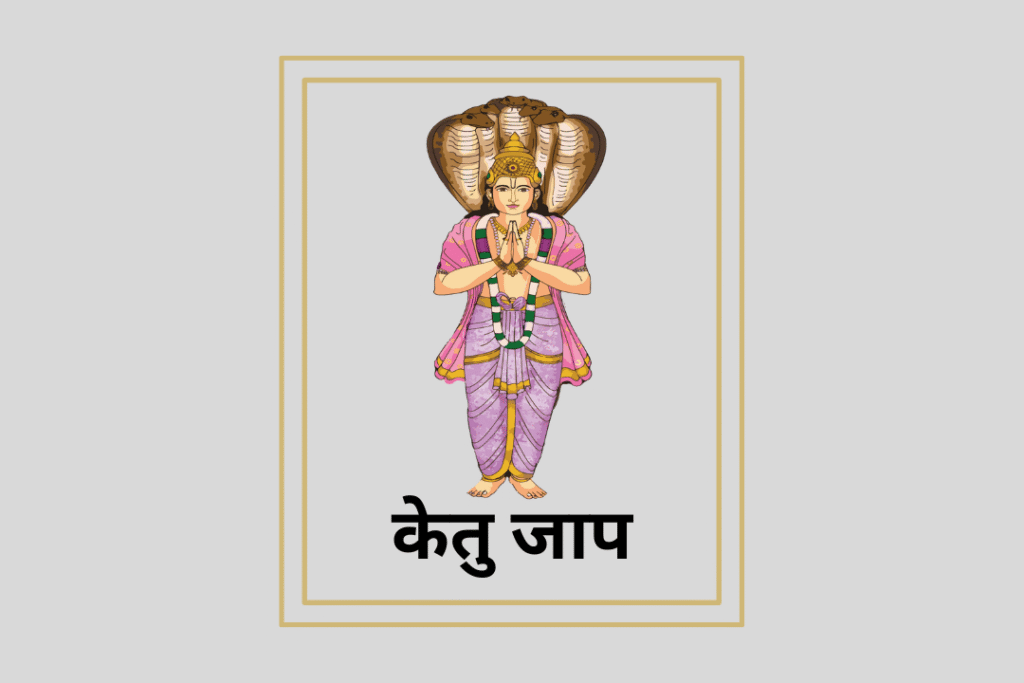
Benefits of Ketu Jaap in Ujjain
Ketu Jaap, also known as Ketu Mantra Jaap, is a traditional Vedic practice dedicated to Ketu Graha. In Vedic astrology, Ketu is considered a shadow planet and is associated with spirituality, detachment, intuition, past-life karma and liberation (Moksha).
Ujjain is an important destination for devotees interested in planetary worship and traditional Graha Shanti rituals. The city is home to the Navgrah Mandir near Triveni Ghat and several sacred places associated with Hindu spiritual traditions. Devotees who follow Vedic astrology may consider Ketu Jaap as a devotional practice based on their horoscope, personal beliefs and religious sankalp.
This guide explains the Ketu Beej Mantra, its traditional meaning, the reasons devotees perform Ketu Jaap, commonly followed worship practices and how to plan a Ketu Jaap in Ujjain.
What Is Ketu Jaap?
Ketu Jaap is the repeated chanting of a mantra dedicated to Ketu Graha. In Vedic astrology, Ketu is one of the two lunar nodes, along with Rahu. Unlike the visible planets, Rahu and Ketu are mathematical points associated with the Moon’s orbit around the Earth and the ecliptic.
In Jyotish Shastra, Ketu is traditionally associated with:
- Spirituality: Inner exploration, meditation and spiritual awareness.
- Detachment: Renunciation, letting go and reduced attachment to material pursuits.
- Past-life karma: Karmic themes and experiences interpreted through traditional astrology.
- Intuition: Insight, introspection and unconventional understanding.
- Moksha: Liberation and the search for spiritual freedom.
These are traditional astrological associations. They should not be treated as scientific descriptions or certain predictions about an individual’s personality or future.
Ketu Beej Mantra
The following mantra is commonly used in traditional Ketu Graha worship:
केतु बीज मंत्र:
ॐ स्रां स्रीं स्रौं सः केतवे नमः।
English Transliteration:
Om Sraam Sreem Sraum Sah Ketave Namah.
Meaning of the Ketu Beej Mantra
- Om: The sacred syllable used at the beginning of many Hindu mantras.
- Sraam, Sreem and Sraum: Seed syllables traditionally associated with Ketu Graha.
- Sah: A sacred syllable included in the mantra.
- Ketave: Refers to Ketu.
- Namah: Means offering salutations or bowing with reverence.
The mantra is traditionally recited with devotion and concentration. For a formal Jaap, the priest or practitioner can guide you regarding pronunciation, repetition count and the procedure followed in that tradition.
Why Is Ketu Jaap Performed?
In Vedic astrology, Ketu’s placement and associations in a birth chart are interpreted in relation to spirituality, detachment, intuition and karmic themes. Some traditions recommend Ketu-related prayers when Ketu is considered afflicted or significant in a horoscope.
Devotees may consider Ketu Jaap for the following traditional spiritual intentions.
1. Spiritual Growth and Self-Reflection
Ketu is traditionally associated with spirituality, meditation and the search for deeper understanding. Devotees may perform Ketu Jaap as part of their spiritual discipline and prayer for greater self-awareness.
2. Detachment and Inner Clarity
In Jyotish, Ketu represents detachment and freedom from excessive material attachment. Some devotees undertake Ketu worship while seeking a more balanced approach to worldly responsibilities and personal aspirations.
3. Traditional Ketu Dosha Shanti
Some astrological traditions use the term Ketu Dosha or afflicted Ketu for certain planetary placements and combinations in a horoscope. Depending on the complete birth chart and the school of astrology followed, an astrologer may suggest Ketu mantra recitation or other traditional Graha Shanti practices.
There is no single universally accepted definition of Ketu Dosha across all astrological traditions. A horoscope should be assessed as a whole rather than judging a person from one planetary placement.
4. Prayer During Ketu Mahadasha or Antardasha
Vedic astrology describes planetary periods known as Mahadasha and Antardasha. Ketu Mahadasha is one of the planetary periods interpreted in a person’s horoscope.
People who follow Jyotish may consider Ketu Jaap during a Ketu-related planetary period as a devotional observance. The interpretation of such a period depends on the complete horoscope, not simply the name of the Dasha.
5. Intuition and Introspection
Ketu is traditionally associated with intuition, inward reflection and unconventional knowledge. Devotees may include Ketu mantra recitation in their prayer routine while seeking greater awareness and thoughtful reflection.
6. Prayer for Stability During Uncertain Periods
Some devotees turn to Ketu worship during periods of uncertainty or personal transition. The Jaap can serve as a structured devotional practice and an opportunity for prayer and reflection.
It should not be presented as a guaranteed solution for career difficulties, financial losses, anxiety or other personal challenges.
7. Devotion and the Pursuit of Moksha
Ketu is associated with Moksha and spiritual liberation in several Vedic astrology traditions. Devotees may undertake Ketu Jaap as an expression of faith and as part of their journey towards spiritual understanding.
Why Perform Ketu Jaap in Ujjain?
Ujjain has a long association with Hindu religious traditions, astronomy, Jyotish and spiritual learning. The city is home to several temples and sacred sites where devotees participate in worship connected with different Grahas.
The Navgrah Mandir near Triveni Ghat is an important destination for devotees interested in planetary worship. Ketu is worshipped as one of the nine planetary deities.
Devotees visit the temple to offer prayers and observe traditional Graha-related practices. The sacred Shipra River and Ujjain’s wider spiritual heritage make the city a meaningful destination for a devotional journey.
Navgrah Mandir Near Triveni Ghat
Navgrah Mandir near Triveni Ghat is associated with the worship of the nine Grahas in Hindu astrology:
- Surya – Sun
- Chandra – Moon
- Mangal – Mars
- Budh – Mercury
- Guru – Jupiter
- Shukra – Venus
- Shani – Saturn
- Rahu – North Lunar Node
- Ketu – South Lunar Node
Devotees interested in Ketu worship may visit the temple to offer prayers according to their beliefs and religious traditions.
Read our detailed guide to Triveni Ghat and Navgrah Mandir in Ujjain.
Siddhavat: A Sacred Spiritual Site in Ujjain
Siddhavat is one of the important sacred sites of Ujjain, situated near the Shipra River. It is recognised in Hindu tradition as one of the four sacred banyan trees and is associated with religious observances, meditation and ancestral rituals.
Devotees visit Siddhavat for prayer and traditional religious activities. Its location near the river and its spiritual heritage make it a meaningful place to include in a visit to Ujjain.
It is important to note that Siddhavat should not be described as the exclusive or universally prescribed location for Ketu Jaap. The appropriate venue and procedure depend on the ritual tradition and arrangements made with the priest.
Ketu Jaap Vidhi: How Is the Ritual Performed?
The exact procedure of Ketu Jaap can vary according to the priest, family tradition and purpose of the ritual. A formal Jaap may include a sankalp, invocation, mantra recitation, offerings and concluding prayers.
1. Sankalp
The devotee takes a sankalp, or religious intention, before beginning the Jaap. The purpose of the worship and the devotee’s details may be included according to the prescribed procedure.
2. Invocation and Prayer
Prayers are offered to Ketu Graha and other deities as prescribed by the priest. Preliminary worship may be performed before the main mantra recitation.
3. Ketu Beej Mantra Recitation
The Ketu Beej Mantra is recited in the prescribed number of repetitions. The count and duration depend on the ritual tradition and the specific sankalp.
4. Traditional Offerings
Offerings associated with Ketu worship may include items such as sesame seeds, flowers, fruits, blankets or other materials prescribed by the priest. Some traditions also associate Ketu worship with particular colours and symbolic offerings.
The exact samagri should be confirmed with the priest before the ritual rather than assuming that every Ketu Jaap follows the same list.
5. Concluding Prayers
The Jaap is concluded with prayers and other prescribed observances. Some traditions may include a havan, charity or additional devotional practices.
Which Day Is Considered Auspicious for Ketu Jaap?
There is no single universally followed weekday rule for Ketu worship across all Hindu traditions. Some traditions associate Ketu-related observances with Tuesday or Saturday, while others select the date according to the horoscope, Panchang and the priest’s guidance.
Before arranging a formal Jaap, confirm the suitable date with the practitioner conducting the ritual.
Devotees may also include the following practices in their personal worship according to their family tradition:
- Reciting the Ketu Beej Mantra.
- Offering prayers to Ketu Graha.
- Performing charity and acts of service.
- Observing a voluntary fast if appropriate.
- Practising meditation and spiritual reflection.
Fasting is a voluntary religious observance and should only be undertaken if it is suitable for the person’s health and circumstances.
Can Ketu Mantra Be Chanted at Home?
Yes. Devotees may chant the Ketu Beej Mantra at home as part of their regular prayer routine. A simple personal practice can include sitting in a clean and quiet place, remembering Ketu Graha and reciting the mantra with concentration.
If you are planning a formal Jaap based on your horoscope, consult a knowledgeable astrologer or priest regarding the mantra, repetition count, procedure and other requirements.
Who Should Consider Ketu Jaap?
Ketu Jaap is a devotional practice. People who follow Vedic astrology may consider it when:
- Ketu has a significant placement in their birth chart.
- An astrologer has recommended Ketu-related worship after reviewing their Kundali.
- They are observing a Ketu-related planetary period and wish to undertake traditional prayers.
- They want to include mantra recitation in their regular spiritual routine.
- They have a personal religious sankalp associated with Ketu Graha.
There is no requirement for everyone to perform Ketu Jaap. A ritual should be chosen according to personal faith and informed guidance rather than fear or pressure.
Difference Between Rahu Jaap and Ketu Jaap
Rahu and Ketu are considered the two lunar nodes in Vedic astrology. Although they are always positioned opposite each other in the zodiac, their traditional interpretations are different.
| Aspect | Rahu | Ketu |
|---|---|---|
| Traditional nature | Material ambition and worldly experiences | Detachment and spiritual reflection |
| Astrological associations | Desire, unconventional pursuits and expansion | Introspection, intuition and Moksha |
| Mantra | Om Bhraam Bhreem Bhraum Sah Rahave Namah | Om Sraam Sreem Sraum Sah Ketave Namah |
| Traditional worship | Rahu Graha worship and mantra Jaap | Ketu Graha worship and mantra Jaap |
Rahu Jaap and Ketu Jaap are separate devotional practices. Some people may be advised to perform a combined Rahu-Ketu Jaap or Shanti ritual, depending on their horoscope and the tradition followed.
Read more about Rahu Jaap in Ujjain.
Other Planetary Jaap Services in Ujjain
Ujjain is also visited by devotees interested in other planetary Jaaps and traditional Graha Shanti practices. Depending on their requirements and religious traditions, they may explore:
- Surya Jaap in Ujjain – associated with Surya Graha.
- Chandra Jaap in Ujjain – associated with the Moon.
- Mangal Jaap in Ujjain – associated with Mars.
- Budh Jaap in Ujjain – associated with Mercury.
- Guru Jaap in Ujjain – associated with Jupiter.
- Rahu Jaap in Ujjain – associated with Rahu.
For a broader overview of rituals and arrangements, visit our Ujjain Pooja and Jaap Charges Guide. Confirm the current availability, procedure and final quotation before making arrangements.
Planning to Perform Ketu Jaap in Ujjain?
If you are considering Ketu Jaap or a Rahu-Ketu-related ritual in Ujjain, you can enquire about the procedure, priest arrangements, required samagri, suitable date and applicable charges. Share your requirements so the arrangements can be discussed before your visit.
Frequently Asked Questions About Ketu Jaap
1. What is the Ketu Beej Mantra?
The commonly recited Ketu Beej Mantra is “Om Sraam Sreem Sraum Sah Ketave Namah” (ॐ स्रां स्रीं स्रौं सः केतवे नमः). It is traditionally chanted to worship Ketu Graha.
2. What is Ketu Jaap performed for?
In Vedic astrology, Ketu Jaap is associated with the traditional themes of spirituality, detachment, intuition and Moksha. Devotees perform it as a devotional practice and prayer.
3. Which day is associated with Ketu worship?
Different traditions follow different observances. Some associate Ketu worship with Tuesday or Saturday, while others choose a date according to the Panchang and the priest’s guidance.
4. Where can I offer prayers to Ketu Graha in Ujjain?
Devotees interested in planetary worship visit the Navgrah Mandir near Triveni Ghat, where the nine planetary deities, including Ketu, are worshipped.
5. How many times should the Ketu Mantra be chanted?
The number of repetitions depends on the particular ritual tradition and the purpose of the Jaap. A priest or knowledgeable practitioner can guide you about the prescribed count for a formal ritual.
6. Can I chant the Ketu Mantra every day?
Devotees may include the mantra in their regular prayer routine. If you are following a specific ritual discipline, consult the practitioner who has prescribed it.
7. Can Ketu Jaap remove Ketu Dosha?
Some Vedic astrology traditions recommend Ketu-related mantra recitation and worship as spiritual observances for a horoscope in which Ketu is considered afflicted. These rituals should not be presented as guaranteed ways to remove a dosha or change life outcomes.
8. Is Kundali required before performing Ketu Jaap?
A Kundali is not necessary for ordinary devotional mantra chanting. However, if you are arranging a horoscope-specific Jaap, an astrologer may need accurate birth details to assess the chart and explain the recommendation.
9. What offerings are used in Ketu worship?
Offerings vary by religious tradition and ritual procedure. Some traditions use sesame seeds, flowers, fruits and other prescribed materials. Confirm the required samagri with the priest before the ritual.
10. Is Ketu Jaap the same as Rahu-Ketu Jaap?
No. Ketu Jaap is dedicated to Ketu, while Rahu-Ketu Jaap is a combined ritual involving both lunar nodes. The appropriate practice depends on the individual’s requirements and the tradition followed.
11. How can I enquire about Ketu Jaap arrangements in Ujjain?
You can contact the service provider to discuss the ritual procedure, date, duration, priest arrangements, samagri and charges. Confirm all inclusions and the final quotation before booking.
Conclusion
Ketu Jaap is a traditional devotional practice dedicated to Ketu Graha. In Vedic astrology, Ketu is associated with spirituality, detachment, intuition, karmic themes and the pursuit of Moksha. Devotees may recite the Ketu Beej Mantra as part of their regular prayer routine or undertake a formal Jaap based on their religious beliefs and horoscope consultation.
Ujjain, with its Navgrah Mandir near Triveni Ghat, sacred Siddhavat and long-standing religious heritage, is a meaningful destination for devotees interested in planetary worship. Whether you choose to chant the mantra at home or participate in a formal Jaap, understand the procedure and make your decision with faith, clarity and realistic expectations.
Disclaimer: This article describes traditional Hindu religious practices and interpretations of Vedic astrology. Astrology is a belief system and its predictions are not scientifically established guarantees. Jaap and pooja are devotional practices and should not be considered substitutes for professional advice regarding health, mental well-being, career, finance or other important matters. Ritual procedures may vary by priest and tradition.




4 thoughts on “Benefits of Ketu Jaap in Ujjain”
Comments are closed.