Benefits of Budh Jaap in Ujjain
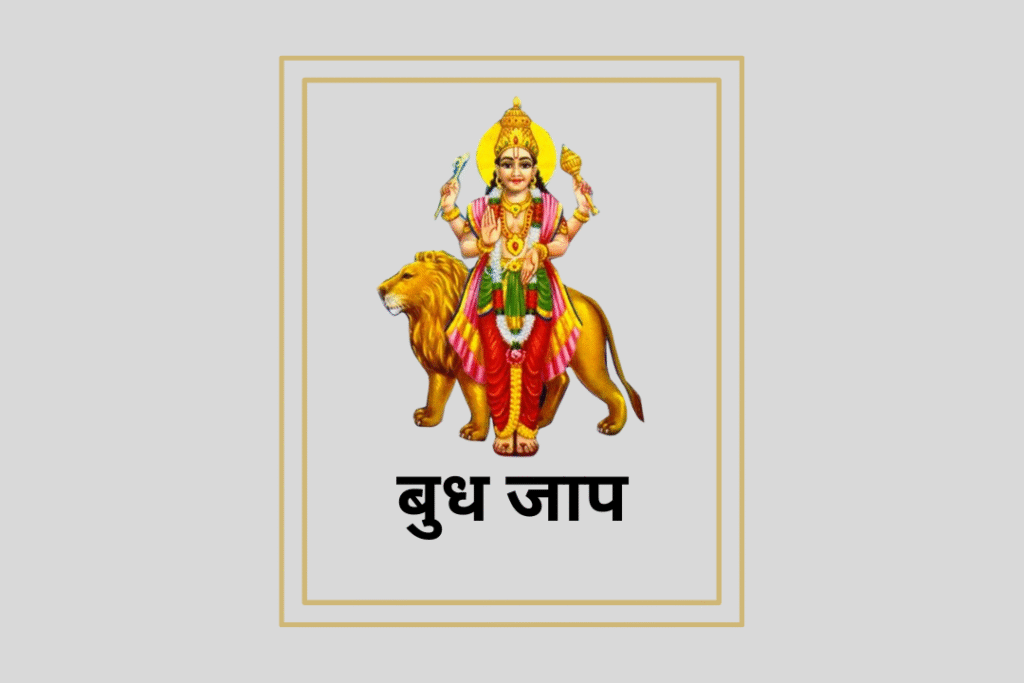
Benefits of Budh Jaap in Ujjain
Budh Jaap, also known as Mercury Mantra Jaap, is a traditional Vedic practice performed by devotees who wish to worship Budh Graha. In Vedic astrology, Mercury is associated with intelligence, communication, speech, education, business, calculation and analytical thinking.
Ujjain is an important destination for devotees interested in planetary worship and traditional Graha Shanti rituals. The Navgrah Mandir near Triveni Ghat is one of the places where devotees offer prayers to the nine planetary deities. People who follow Vedic astrology may consider Budh Jaap as a devotional practice based on their horoscope and personal beliefs.
This guide explains the Budh Beej Mantra, its traditional significance, the commonly described benefits of Budh Jaap and how to plan the ritual in Ujjain.
What Is Budh Jaap?
Budh Jaap is the repeated chanting of a mantra dedicated to Budh Graha, identified with the planet Mercury in Vedic astrology. The practice is traditionally associated with seeking the blessings of Mercury and developing qualities represented by this Graha.
In Jyotish Shastra, Budh is associated with:
- Intelligence and learning: Knowledge, reasoning and the ability to understand information.
- Communication: Speech, writing, expression and conversation.
- Business and trade: Commerce, negotiation, calculation and commercial activities.
- Analytical ability: Logic, planning, observation and problem-solving.
- Education: Study, memory, language and intellectual development.
These are traditional astrological associations. They should not be treated as scientific descriptions of personality or as certain predictions about an individual’s future.
Budh Beej Mantra
The following mantra is commonly used in traditional Budh Graha worship:
बुध बीज मंत्र:
ॐ ब्रां ब्रीं ब्रौं सः बुधाय नमः।
English Transliteration:
Om Braam Breem Braum Sah Budhaya Namah.
Meaning of the Budh Mantra
- Om: The sacred syllable used at the beginning of many Hindu mantras.
- Braam, Breem and Braum: Seed syllables traditionally associated with Budh Graha.
- Sah: A sacred syllable included in this mantra.
- Budhaya: Refers to Budh or Mercury.
- Namah: Means offering salutations or bowing with reverence.
The mantra is traditionally chanted with devotion and concentration. If you are participating in a formal Jaap, the priest or practitioner can guide you on the pronunciation, count and procedure followed by that particular tradition.
Why Is Budh Jaap Performed?
In Vedic astrology, the placement of Mercury in a birth chart is interpreted in relation to communication, education, business, intellect and decision-making. Some astrological traditions recommend Budh-related prayers when Mercury is considered weak, afflicted or otherwise significant in a horoscope.
Devotees may consider Budh Jaap for the following traditional spiritual intentions.
1. Communication and Self-Expression
Mercury is traditionally associated with speech and communication. People who follow Jyotish may undertake Budh Jaap with the intention of developing confidence in expression, improving communication habits and seeking clarity in conversations.
2. Education and Intellectual Development
Budh is associated with learning, reasoning, language and analytical ability. Students and individuals involved in teaching, research or knowledge-based work may include Budh worship in their devotional practices.
3. Business and Commercial Activities
In traditional astrology, Mercury represents trade, accounts, negotiation and commercial intelligence. Business owners and professionals may pray to Budh Graha while seeking wisdom, discipline and clarity in their professional decisions.
4. Analytical Thinking and Decision-Making
Mercury is associated with logic, calculation and problem-solving in Jyotish. Devotees may perform Budh Jaap as a spiritual practice while seeking better judgement and a more thoughtful approach to important decisions.
5. Traditional Budh Graha Shanti
Some horoscope traditions identify planetary combinations or placements that are described as Budh Dosha or an afflicted Mercury. In such cases, an astrologer may suggest mantra recitation, Budh worship or other traditional observances after examining the complete Kundali.
A single planetary placement should not be used to make definite predictions about a person’s intelligence, finances, career or health. Horoscope interpretation varies between astrological traditions.
6. Focus and Learning Habits
Mantra recitation can provide a structured devotional routine involving repetition, attention and quiet reflection. Devotees may find this practice personally meaningful as part of their spiritual discipline. It should not be presented as a medical treatment or a guaranteed way to improve memory.
Why Perform Budh Jaap in Ujjain?
Ujjain has a strong association with Hindu religious traditions, ancient learning, astronomy and Jyotish. The city is home to temples and sacred sites where devotees perform prayers and traditional rituals connected with different Grahas.
One important destination for planetary worship is the Navgrah Mandir near Triveni Ghat. The temple is dedicated to the nine planetary deities, including Budh.
Devotees visit this area to offer prayers, participate in Graha Shanti rituals and observe traditional religious practices. The nearby Shipra River and the wider spiritual atmosphere of Ujjain make it a meaningful destination for a devotional visit.
Navgrah Mandir at Triveni Ghat
The Navgrah Mandir near Triveni Ghat is associated with the worship of the nine Grahas in Hindu astrology:
- Surya – Sun
- Chandra – Moon
- Mangal – Mars
- Budh – Mercury
- Guru – Jupiter
- Shukra – Venus
- Shani – Saturn
- Rahu – North Lunar Node
- Ketu – South Lunar Node
People interested in planetary worship visit the temple to offer prayers to the Grahas. Budh is represented as one of the nine planetary deities worshipped here.
Read our detailed guide to Triveni Ghat and Navgrah Mandir in Ujjain for more information about the location and its religious significance.
Budh Jaap Vidhi: How Is the Ritual Performed?
The exact procedure for Budh Jaap can vary according to the priest, family tradition and the purpose of the ritual. A formal Jaap may include a sankalp, invocation, mantra recitation, offerings and concluding prayers.
A commonly followed traditional sequence may include the following steps:
1. Sankalp
The devotee takes a sankalp, or religious intention, before beginning the ritual. The purpose of the worship and the devotee’s details may be included according to the prescribed procedure.
2. Invocation and Prayer
Prayers are offered to the deity or Graha associated with the ritual. The priest may perform the preliminary worship according to the relevant tradition.
3. Budh Beej Mantra Recitation
The Budh Beej Mantra is recited in the prescribed number of repetitions. The count and duration should be confirmed with the priest or practitioner arranging the Jaap.
4. Offerings
Traditional Budh worship may include offerings such as green-coloured flowers, green gram (moong), fruits or other items prescribed by the priest. The exact materials depend on the ritual tradition.
5. Concluding Prayers
The ritual is concluded with prayers and other prescribed observances. Some traditions may include a concluding offering or charity as part of the worship.
Why Is Wednesday Considered Auspicious for Budh Worship?
Wednesday is traditionally associated with Budh Graha in Hindu astrology. The Sanskrit name Budhvar is connected with Budh, and devotees who follow planetary worship may choose Wednesday for mantra recitation and related prayers.
Common Wednesday observances may include:
- Reciting the Budh Beej Mantra.
- Offering prayers to Budh Graha.
- Offering green gram or other traditional items as prescribed.
- Observing a fast according to personal and family tradition.
- Practising charity and acts of service.
These observances are voluntary religious practices. A fast should be undertaken only if it is suitable for the person’s health and circumstances.
Can Budh Jaap Be Performed at Home?
Yes. Devotees may recite the Budh Beej Mantra at home as part of their regular prayer routine. A simple personal practice can include sitting in a clean and quiet place, remembering the deity and reciting the mantra with concentration.
If you are planning a formal planetary Jaap based on your Kundali, you may prefer to consult a knowledgeable astrologer or priest regarding the mantra, number of repetitions, procedure and other requirements.
Who Should Consider Budh Jaap?
Budh Jaap is a devotional practice. People who follow Vedic astrology may consider it when:
- Mercury has a significant placement in their birth chart.
- An astrologer has suggested Budh-related worship after reviewing their Kundali.
- They wish to observe traditional planetary prayers.
- They want to include mantra recitation in their regular spiritual routine.
- They have a personal religious sankalp connected with Budh Graha.
There is no requirement for everyone to perform Budh Jaap. A ritual should be chosen according to personal faith and informed guidance rather than fear or pressure.
Other Planetary Jaap Services in Ujjain
Ujjain is also a destination for devotees interested in other planetary Jaaps and traditional Graha Shanti practices. Depending on the individual’s requirements and religious tradition, they may explore:
- Surya Jaap in Ujjain – traditionally associated with Surya Graha.
- Mangal Jaap in Ujjain – associated with Mangal Graha.
- Guru Jaap in Ujjain – associated with Jupiter.
- Rahu Jaap in Ujjain – associated with Rahu.
- Ketu Jaap in Ujjain – associated with Ketu.
For a broader overview of available rituals, visit our Ujjain Pooja and Jaap Charges Guide. Confirm the current availability, procedure and final quotation before making arrangements.
Planning to Perform Budh Jaap in Ujjain?
If you are considering Budh Jaap or another planetary ritual in Ujjain, you can enquire about the procedure, priest arrangements, required samagri, suitable date and applicable charges. Share your requirements so the arrangements can be discussed before your visit.
Frequently Asked Questions About Budh Jaap
1. What is the Budh Beej Mantra?
The commonly recited Budh Beej Mantra is “Om Braam Breem Braum Sah Budhaya Namah” (ॐ ब्रां ब्रीं ब्रौं सः बुधाय नमः). It is traditionally chanted to worship Budh Graha.
2. What is Budh Jaap performed for?
In Vedic astrology, Budh Jaap is associated with Mercury’s traditional areas of influence, including communication, education, intellect, business and analytical thinking. Devotees perform it as a spiritual practice and prayer.
3. Which day is associated with Budh Graha?
Wednesday, known as Budhvar, is traditionally associated with Mercury. Some devotees choose this day for Budh mantra recitation and related worship.
4. Where can I offer prayers to Budh Graha in Ujjain?
Devotees visit the Navgrah Mandir near Triveni Ghat in Ujjain, where the nine planetary deities are worshipped, including Budh.
5. How many times should the Budh Mantra be chanted?
The number of repetitions depends on the particular tradition and the purpose of the Jaap. A priest or knowledgeable practitioner can guide you about the prescribed count for a formal ritual.
6. Can I chant the Budh Mantra every day?
Devotees may include the mantra in their regular prayer routine. If you are following a specific ritual discipline, consult the practitioner who has prescribed it.
7. Can Budh Jaap remove Budh Dosha?
Some Vedic astrology traditions recommend Budh-related mantra recitation and worship as spiritual observances for a horoscope in which Mercury is considered afflicted. These rituals should not be presented as guaranteed ways to remove a dosha or change life outcomes.
8. Is Kundali required before performing Budh Jaap?
A Kundali is not necessary for ordinary devotional mantra chanting. However, if you are arranging a horoscope-specific Jaap, an astrologer may need accurate birth details to assess the chart and explain the recommendation.
9. What offerings are used in Budh worship?
Traditional offerings may include green flowers, green gram, fruits and other items prescribed by the priest. Requirements can vary between rituals and traditions.
10. How can I enquire about Budh Jaap arrangements in Ujjain?
You can contact the service provider to discuss the ritual procedure, date, duration, priest arrangements, samagri and charges. Confirm all inclusions and the final quotation before booking.
Conclusion
Budh Jaap is an established devotional practice in traditions that worship the nine Grahas. Mercury is traditionally associated with intelligence, communication, learning, business and analytical thinking, which is why devotees may choose to recite the Budh Beej Mantra as part of their spiritual routine.
Ujjain, with its Navgrah Mandir near Triveni Ghat and long association with religious and astrological traditions, is a meaningful destination for devotees interested in Budh worship. Whether you choose to chant the mantra at home or participate in a formal Jaap, understand the procedure and make your decision with faith, clarity and realistic expectations.
Disclaimer: This article describes traditional Hindu religious practices and interpretations of Vedic astrology. Astrology is a belief system and its predictions are not scientifically established guarantees. Jaap and pooja are devotional practices and should not be considered substitutes for professional advice regarding health, education, business, finance or other important matters. Ritual procedures may vary by priest and tradition.