Rin Mukti Pooja in Ujjain: Significance, Vidhi, Mantra and Benefits
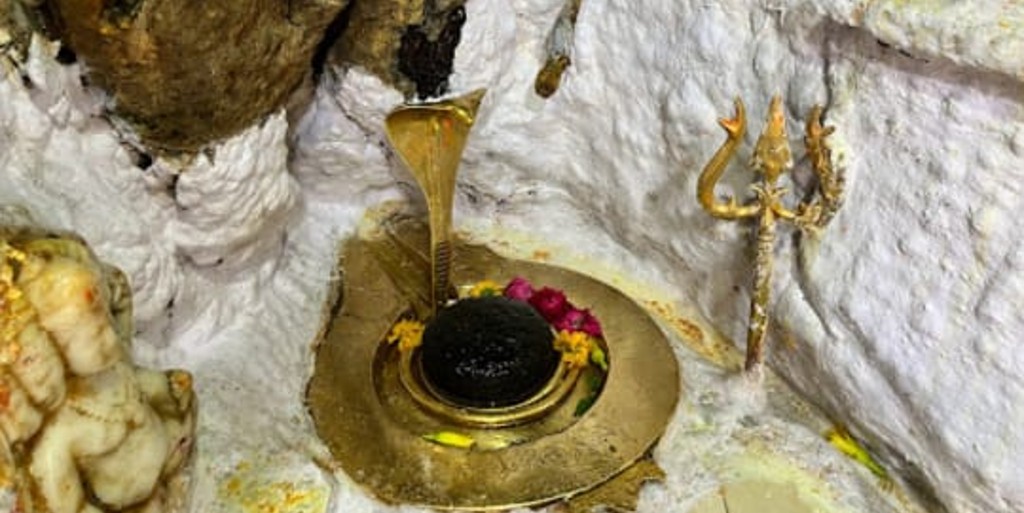
Rin Mukti Pooja is a traditional Hindu religious observance dedicated to seeking the blessings of Lord Shiva for freedom from debts and other forms of perceived obligations. In Ujjain, devotees visit Rinmukteshwar Mahadev Temple to offer prayers and perform rituals associated with Rin Mukti.
The Sanskrit word Rin means debt or obligation, while Mukti means freedom or liberation. In Hindu religious traditions, the concept of Rin can refer not only to financial borrowing but also to spiritual and ancestral obligations.
This guide explains the religious significance of Rin Mukti Pooja in Ujjain, the traditional story associated with Rinmukteshwar Mahadev, the general procedure, offerings, suitable days and how to plan your visit.
What Is Rin Mukti Pooja?
Rin Mukti Pooja is a traditional form of Shiva worship performed by devotees who pray for freedom from debts and obligations. It is associated with Rinmukteshwar Mahadev, a form of Lord Shiva worshipped in Ujjain.
In Hindu philosophy, Rin can have a wider meaning than an ordinary financial loan. Traditional religious discussions describe different forms of obligations, including:
- Financial Rin: Money borrowed from individuals, institutions or other sources.
- Pitru Rin: Ancestral obligations and responsibilities towards one’s family lineage.
- Deva Rin: A traditional sense of gratitude and obligation towards the divine forces.
- Rishi Rin: Respect and responsibility towards sages, teachers and the knowledge passed down through generations.
- Manushya Rin: Responsibilities towards fellow human beings and society.
The religious interpretation of Rin Mukti Pooja focuses on devotion, prayer and seeking the blessings of Lord Shiva. It should not be understood as a legal cancellation of loans or a guaranteed way to become debt-free.
Rinmukteshwar Mahadev Temple in Ujjain
Rinmukteshwar Mahadev Temple is associated with Lord Shiva and the traditional worship of Rin Mukti. The temple is located near the Shipra River and Ram Ghat area of Ujjain.
The name Rinmukteshwar combines three Sanskrit terms:
- Rin: Debt or obligation.
- Mukta: Freedom or liberation.
- Ishwar: The Supreme Lord.
Devotees visit the temple to pray to Lord Shiva and seek spiritual strength, guidance and blessings. The temple is a distinct pilgrimage destination from Mahakaleshwar Jyotirlinga, although devotees may include both in their Ujjain visit.
Legend of King Harishchandra and Rinmukteshwar Mahadev
A traditional story associated with Rinmukteshwar Mahadev refers to King Harishchandra, who is remembered in Hindu religious narratives for his truthfulness and commitment to his promises.
According to a local religious account, King Harishchandra faced a difficult obligation involving a promise made to Sage Vishwamitra. Despite losing his kingdom and facing severe personal hardship, he remained committed to fulfilling his word.
The story connects his devotion and worship of Lord Shiva with the idea of liberation from debt. Some versions of the local tradition associate the establishment of Rinmukteshwar Mahadev with this episode.
This account should be understood as a religious legend rather than a verified historical record. It explains the spiritual association between the temple and the concept of Rin Mukti.
Why Do Devotees Perform Rin Mukti Pooja in Ujjain?
Ujjain is an important Hindu pilgrimage city associated with Lord Shiva, the Shipra River and several traditional forms of religious worship.
Devotees choose Ujjain for Rin Mukti Pooja because of its association with Rinmukteshwar Mahadev and the wider spiritual traditions of the city.
1. Worship of Rinmukteshwar Mahadev
The temple is specifically associated with prayers for Rin Mukti. Devotees offer prayers to Lord Shiva and seek blessings for strength, wisdom and the ability to fulfil their responsibilities.
2. Spiritual Significance of Ujjain
Ujjain is home to Mahakaleshwar Jyotirlinga and several important temples and sacred locations. Many devotees include multiple religious destinations in their pilgrimage.
3. Shipra River and Sacred Ghats
The Shipra River is central to Ujjain’s religious identity. Its ghats are associated with prayer, bathing and traditional religious observances. Visitors may include Ram Ghat in their pilgrimage itinerary.
4. Traditional Shiva Worship
Rudrabhishek, Shiva mantra chanting and other forms of devotional worship are practised in different traditions. Devotees may discuss suitable forms of worship with a knowledgeable priest.
Traditional Significance of Rin Mukti Pooja
In Hindu religious belief, Rin Mukti Pooja represents a prayer for freedom from obligations and difficulties. Devotees may undertake the ceremony for the following spiritual purposes:
- Prayer for freedom from financial burdens: Seeking Lord Shiva’s blessings while working towards fulfilling financial responsibilities.
- Spiritual reflection: Reviewing personal commitments, decisions and responsibilities.
- Family responsibilities: Offering prayers for harmony and a responsible approach towards family obligations.
- Gratitude and charity: Remembering the importance of generosity, service and helping people in need.
- Devotion to Lord Shiva: Strengthening one’s religious practice through worship, mantra recitation and prayer.
These are traditional religious interpretations. Rin Mukti Pooja cannot guarantee loan repayment, debt cancellation, business growth, employment, recovery of money or favourable court judgments.
How Is Rin Mukti Pooja Performed in Ujjain?
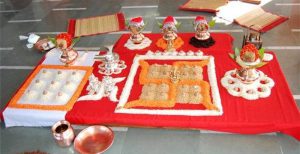
The exact procedure can vary according to the priest, family tradition and selected ritual. A general ceremony may include the following steps:
1. Sankalp
The devotee takes a religious resolution before Lord Shiva. The name and other details of the devotee may be included according to the prescribed procedure.
2. Ganesh Pooja
Prayers are offered to Lord Ganesha before beginning the main ceremony. This is a customary part of many Hindu rituals.
3. Shiva Abhishek
The priest performs worship of the Shivling using permitted offerings such as water and other traditional materials. The exact Abhishek procedure depends on the selected ritual.
4. Mantra Chanting
Prescribed Shiva mantras are recited during the ceremony. The priest may include additional prayers according to the devotee’s religious requirements.
5. Traditional Offerings
Flowers, Bilva Patra and other permitted offerings may be presented to Lord Shiva. Some traditions associate yellow offerings, including Chana Dal, with Rin Mukti worship.
6. Havan, If Included
Some extended ceremonies include Havan with prescribed offerings and mantra recitation. This is not necessarily included in every Rin Mukti Pooja arrangement.
7. Final Prayers and Prasad
The ceremony concludes with final prayers and distribution of Prasad according to the selected procedure.
Note: Not every priest follows an identical procedure. Confirm the Abhishek, mantra, offerings, Havan and duration before arranging the pooja.
Which Mantra Is Chanted During Rin Mukti Pooja?
Shiva mantras are commonly used in devotional worship associated with Rin Mukti. One widely recited mantra is the Panchakshari Mantra:
ॐ नमः शिवाय।
Om Namah Shivaya.
This mantra is an expression of reverence towards Lord Shiva and may be chanted during personal worship or as part of a religious ceremony.
Some traditions also include the Mahamrityunjaya Mantra:
ॐ त्र्यम्बकं यजामहे सुगन्धिं पुष्टिवर्धनम्।
उर्वारुकमिव बन्धनान्मृत्योर्मुक्षीय माऽमृतात्॥
The mantra is dedicated to Lord Shiva and is used in different devotional and religious practices. Its inclusion in Rin Mukti Pooja depends on the priest and selected ceremony.
Read our detailed guide: Mahamrityunjay Jaap in Ujjain.
Which Day Is Suitable for Rin Mukti Pooja?
Different religious traditions associate Shiva worship and Rin Mukti observances with particular weekdays and auspicious dates.
Devotees may consider the following occasions after consulting the priest:
- Monday: Traditionally associated with Lord Shiva worship.
- Pradosh: The lunar observance associated with worship of Lord Shiva.
- Masik Shivratri: A monthly observance dedicated to Lord Shiva.
- Mahashivratri: One of the major annual festivals dedicated to Lord Shiva.
- Amavasya: Considered significant for certain religious and ancestral observances in different traditions.
There is no single compulsory weekday or date for every Rin Mukti ceremony. The appropriate Muhurat should be confirmed with the priest according to the selected ritual.
Who May Consider Rin Mukti Pooja?
Devotees who follow this religious tradition may consider enquiring about Rin Mukti Pooja when they wish to pray for guidance and strength while managing their responsibilities.
It may be of personal religious interest to:
- People who are dealing with financial obligations or loans.
- Individuals seeking spiritual guidance during a difficult financial period.
- Families who wish to perform traditional Shiva worship together.
- Devotees who have been advised to perform Rin Mukti worship as part of their religious practice.
- People interested in the religious traditions associated with Rinmukteshwar Mahadev Temple.
There is no requirement that every person with a loan or financial difficulty must perform this pooja. The decision is a matter of personal religious belief.
Rin Mukti Pooja and Financial Planning: An Important Distinction
Financial debt is a practical responsibility that requires careful planning, budgeting and timely repayment. Rin Mukti Pooja is a religious observance and should not be treated as a substitute for financial action.
If you are managing loans or other financial obligations, consider these practical steps alongside any personal spiritual practice:
- Prepare a complete list of outstanding loans, interest rates and repayment dates.
- Prepare a realistic monthly household budget.
- Prioritise high-interest debt where appropriate.
- Contact your lender if you are facing repayment difficulties and discuss available options.
- Avoid taking additional high-interest loans to repay existing debt without understanding the total cost.
- Consult a qualified financial adviser when you need help with a repayment strategy.
Prayer and religious observances may provide personal comfort, but financial recovery depends on practical circumstances and appropriate decisions. No pooja can guarantee debt cancellation or a particular financial outcome.
How Much Does Rin Mukti Pooja Cost in Ujjain?
The cost of Rin Mukti Pooja depends on the selected procedure, priest arrangements, samagri, Abhishek, mantra chanting, Havan and any additional services.
There is no single price that applies to every temple or priest. The service charges published for other Kundali Poojas should not automatically be treated as the price of Rin Mukti Pooja.
Before confirming a ceremony, ask for a clear quotation covering:
- Priest or Pandit fees.
- Pooja samagri and offerings.
- Shiva Abhishek arrangements.
- Mantra chanting and duration.
- Havan, if included.
- Venue-related charges, if applicable.
- Any additional donations or optional services.
For information about selected pooja services and published indicative charges, visit our Ujjain Pooja Charges page. Contact us separately to confirm the availability and quotation for Rin Mukti Pooja.
How to Plan Your Rin Mukti Pooja Visit
If you are travelling to Ujjain specifically for Rin Mukti Pooja, planning the arrangements in advance can make your visit more convenient.
- Confirm the temple: Ask for the exact location of Rinmukteshwar Mahadev Temple and the ceremony venue.
- Discuss the procedure: Confirm whether the ceremony includes Abhishek, mantra chanting, Havan and other offerings.
- Choose a suitable date: Discuss your preferred date and any Muhurat requirements with the priest.
- Confirm the charges: Request a clear quotation and list of inclusions.
- Plan your transport: Arrange local travel if you also wish to visit Mahakaleshwar, Ram Ghat and other temples.
- Follow local instructions: Respect temple rules and river safety guidance during your visit.
Places to Visit Along with Rinmukteshwar Mahadev Temple
Visitors can include other important religious destinations in their Ujjain itinerary.
1. Ram Ghat
Ram Ghat is one of the prominent bathing ghats on the Shipra River. It is known for religious bathing traditions, Deep Daan and evening river Aarti.
Read our Ram Ghat visitor guide.
2. Mahakaleshwar Jyotirlinga
Mahakaleshwar is one of the twelve Jyotirlingas of Lord Shiva and the most prominent pilgrimage destination in Ujjain.
3. Harsiddhi Temple
Harsiddhi Temple is an important Shakti worship destination in Ujjain, known for its religious significance and Deep Stambhs.
Read the Harsiddhi Temple guide.
4. Triveni Ghat and Navgrah Mandir
Triveni Ghat is associated with the confluence of the Shipra and Khan rivers and is home to Navgrah Mandir, dedicated to the nine planetary deities.
Frequently Asked Questions About Rin Mukti Pooja in Ujjain
1. What is Rin Mukti Pooja?
Rin Mukti Pooja is a traditional Hindu religious ceremony dedicated to Lord Shiva. Devotees perform it to pray for spiritual strength and blessings associated with freedom from debts and obligations.
2. Where is Rin Mukti Pooja performed in Ujjain?
Rin Mukti worship is associated with Rinmukteshwar Mahadev Temple near the Shipra River and Ram Ghat area of Ujjain. Confirm the exact venue and available arrangements before travelling.
3. Who is Rinmukteshwar Mahadev?
Rinmukteshwar Mahadev is a form of Lord Shiva associated with the traditional concept of Rin Mukti, or liberation from debts and obligations.
4. What is the story of King Harishchandra and Rinmukteshwar Mahadev?
According to a local religious legend, King Harishchandra worshipped Lord Shiva while facing a difficult obligation involving Sage Vishwamitra. This story is associated with the temple’s spiritual significance.
5. Which mantra is chanted during Rin Mukti Pooja?
Om Namah Shivaya is a widely recited Shiva mantra. Some ceremonies may also include the Mahamrityunjaya Mantra or other prescribed prayers, depending on the priest and ritual.
6. Which day is best for Rin Mukti Pooja?
Monday, Pradosh, Masik Shivratri and Mahashivratri are associated with Lord Shiva worship. The appropriate date for a particular ceremony should be confirmed with the priest.
7. How long does Rin Mukti Pooja take?
The duration depends on the procedure, Abhishek, mantra chanting and whether Havan is included. Confirm the expected duration with the organiser before booking.
8. How much does Rin Mukti Pooja cost in Ujjain?
The cost depends on the selected ritual, priest, samagri and additional arrangements. Request a current quotation with all inclusions before confirming the ceremony.
9. Does Rin Mukti Pooja cancel bank loans or financial debts?
No. Rin Mukti Pooja is a religious observance and does not legally cancel loans or remove repayment obligations. Financial debts must be addressed through appropriate financial and legal processes.
10. Can I perform Rin Mukti Pooja along with Mahakaleshwar darshan?
You can include both Rinmukteshwar Mahadev Temple and Mahakaleshwar Temple in your Ujjain pilgrimage. Plan the timing according to temple access, ritual arrangements and local travel conditions.
Plan Your Rin Mukti Pooja in Ujjain
Rin Mukti Pooja at Rinmukteshwar Mahadev is an important part of Ujjain’s traditional Shiva worship. Devotees visit the temple to offer prayers and seek blessings while reflecting on their financial, family and spiritual responsibilities.
If you are planning this ceremony, understand its procedure, confirm the temple venue, ask about the offerings and charges, and arrange your visit in advance.
Contact our team to discuss available pooja arrangements, ritual details, preferred dates, venue and indicative charges before planning your visit.