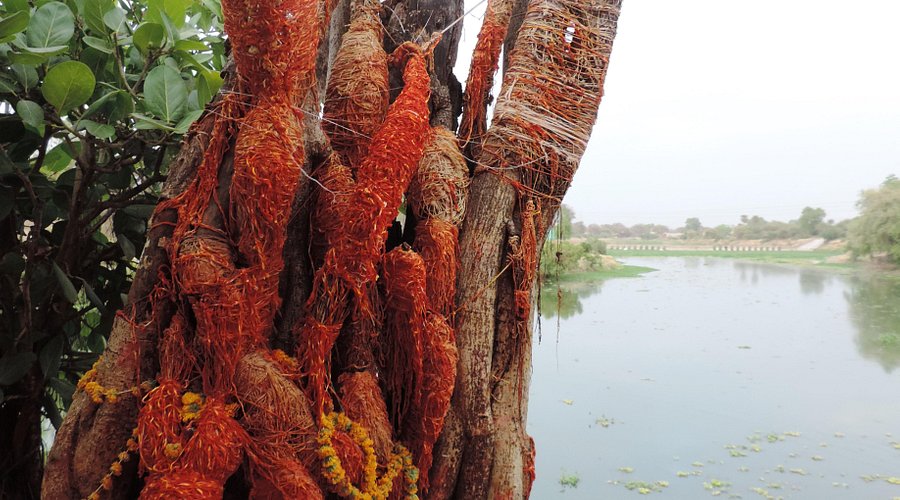
Siddhvat – One Among the Four Holy Banyan Trees in India
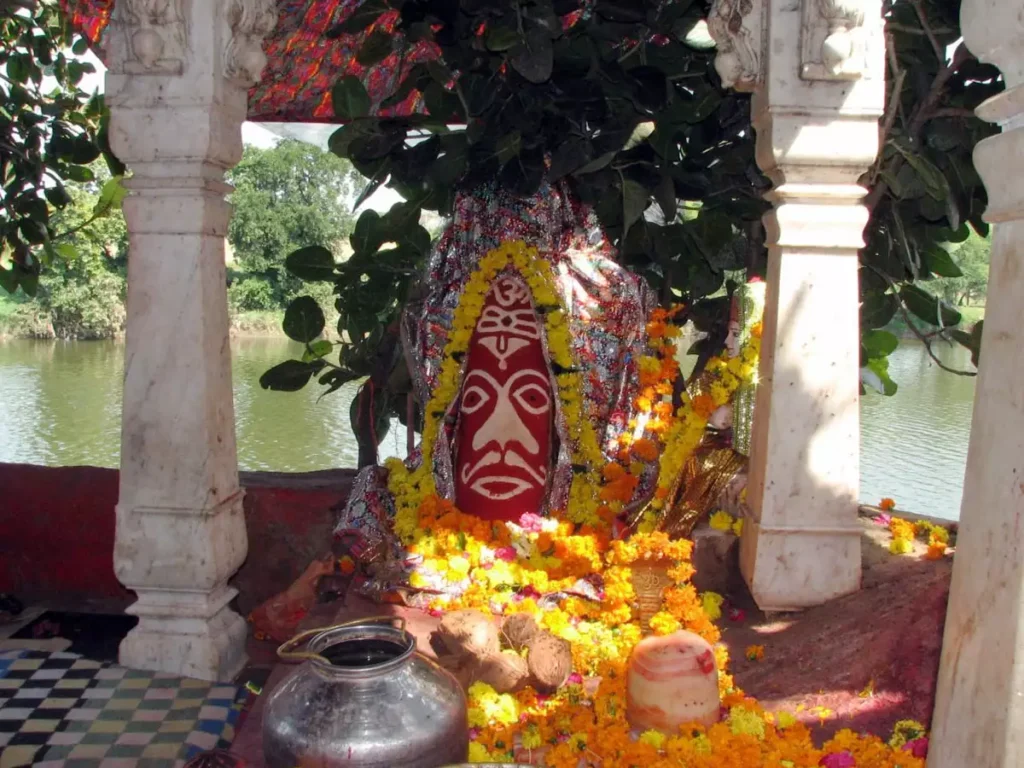
Siddhvat – One Among the Four Holy Banyan Trees in India
Siddhvat, located in Ujjain, is one of the four sacred banyan trees in India. This ancient tree holds immense religious and spiritual significance, drawing thousands of devotees and seekers every year. It is believed that performing rituals and prayers under this holy tree grants peace to ancestors and brings divine blessings. Along with Akshayavat in Prayagraj, Bansivat in Vrindavan, and Bodhi Vriksha in Bodh Gaya, Siddhvat is considered a sacred site for spiritual upliftment. Thus Siddhvat is One Among the Four Holy Banyan Trees in India
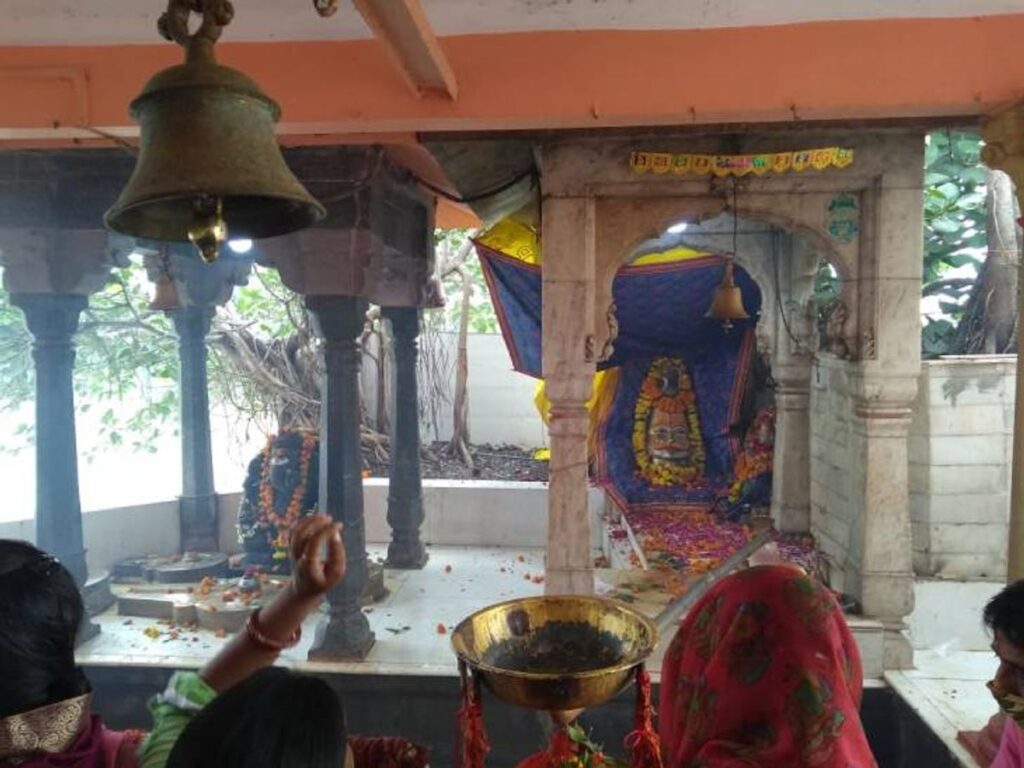
Situated on the banks of the holy Shipra River, Siddhvat is deeply connected with Hindu traditions, especially related to Pind Daan (rituals for ancestors), meditation, and sadhana (spiritual practice). Its mystical presence and association with sages make it a must-visit place for devotees seeking divine grace and liberation.
The Religious Importance of Siddhvat
Siddhvat is not just a tree; it is a sacred pilgrimage site with deep-rooted connections to Hindu scriptures. According to legend, this banyan tree has been a witness to countless sages and yogis who performed penance under its shade. The tree is considered immortal and holds the energy of divine wisdom.
प्रयागे वटमूलं तु गया वटमथापि च।
श्रीवृक्षं तु काञ्च्यां च सिद्धवटमथैव च॥
This translates to: “In Prayag (Allahabad) is the holy banyan tree, in Gaya is another sacred banyan tree. The sacred tree in Kanchi, and Siddhavat in Ujjain.”
These four sacred banyan trees are:
- Akshaya Vat in Prayag (Allahabad)
- Akshayavat in Gaya
- Sthala Vriksha in Kanchipuram
- Siddhavat in Ujjain
These trees are believed to be eternal and hold great significance in Hindu mythology and spirituality.
One of the most significant beliefs about Siddhvat is that performing Pind Daan and Tarpan (ancestral rituals) here helps in attaining moksha (liberation). Many people from across India visit Siddhvat to perform these rituals for their ancestors, especially during Pitru Paksha, a sacred period dedicated to paying homage to departed souls.
The tree is also associated with Lord Shiva, as it is believed that he performed penance here in the form of a siddha (enlightened being), which is how the tree got its name—Siddhvat. Devotees consider this tree as an embodiment of spiritual power and believe that meditating under it can lead to self-realization and inner peace.
Mythological and Historical Significance
According to Hindu mythology, Siddhvat has been a part of many ancient stories:
- Connection to Parashurama: It is believed that Lord Parashurama, an incarnation of Vishnu, performed penance under this tree after renouncing worldly affairs.
- Sages and Rishis: Several sages, including Maharishi Markandeya and Guru Sandipani, are said to have meditated here.
- The Unfading Banyan: Unlike ordinary banyan trees, Siddhvat is believed to remain ever-green and strong, signifying its divine nature.
Historically, Siddhvat has also been a spiritual retreat for saints and monks who sought solitude for meditation and sadhana. The presence of a small temple nearby adds to its sacredness, where devotees offer prayers to Lord Shiva and other deities. it is one Among the Four Holy Banyan Trees in India which are considered and worshipped as a God.
Siddhvat and the Ritual of Pind Daan
One of the most important religious activities at Siddhvat is the performance of Pind Daan. This Hindu ritual is performed to honor and provide peace to departed souls. The belief is that offering pind (rice balls) and performing tarpan with sacred water at Siddhvat helps ancestors attain liberation.
Many families visit Siddhvat to conduct these rites, especially during Pitru Paksha, a time dedicated to honoring ancestors. Since Ujjain is considered a moksha-puri (a city that grants salvation), performing ancestral rituals here is believed to be highly beneficial.
The Spiritual Aura of Siddhvat
Apart from its religious significance, Siddhvat is known for its tranquil and spiritual atmosphere. The massive banyan tree provides shade and serenity, making it an ideal place for meditation and introspection. Many yogis and spiritual seekers visit Siddhvat to absorb its divine energy and practice deep meditation.
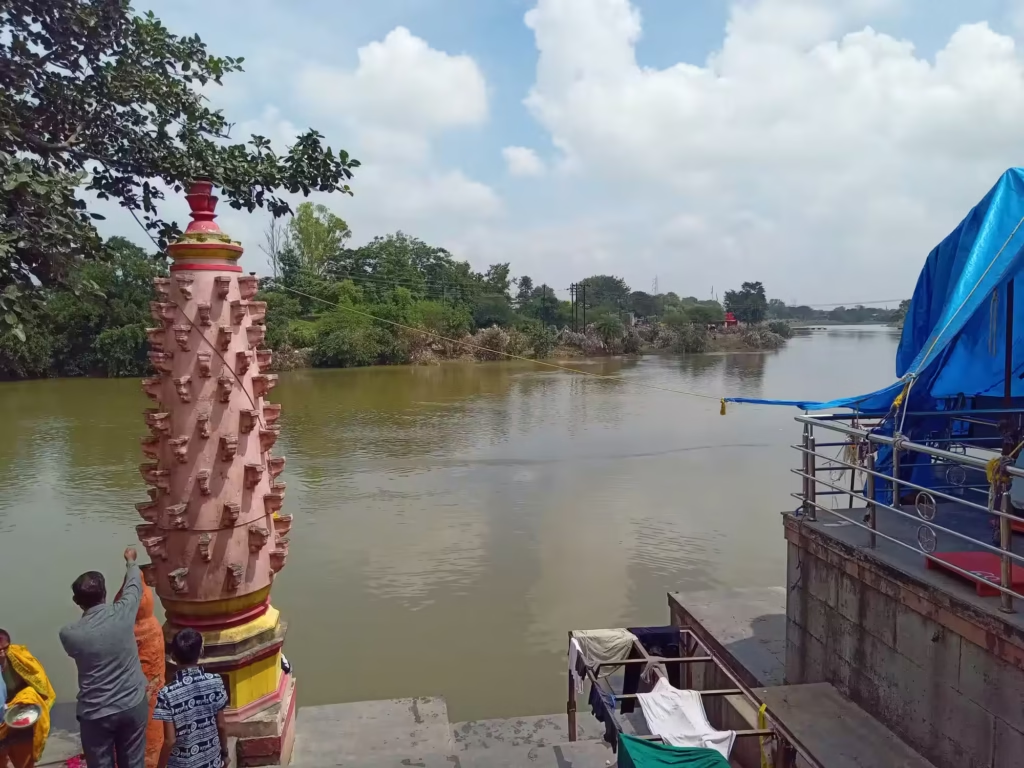
The sound of rustling leaves, the gentle flow of the Shipra River, and the chants of devotees create a powerful spiritual environment. This is why Siddhvat remains a place of deep connection for those seeking enlightenment and inner peace.
Best Time to Visit Siddhvat
Siddhvat can be visited throughout the year, but some specific times are considered more auspicious:
- Pitru Paksha (Shraddha Period): This is the best time for performing ancestral rites and prayers.
- Mahashivratri: A special time for worshipping Lord Shiva and seeking his blessings.
- Winter Months (October to March): The weather is pleasant, making it a comfortable time for visitors.
Early morning and evening are the best times to experience the divine energy of this place, as the atmosphere is calm and suitable for spiritual practices.
How to Reach Siddhvat?
Siddhvat is located in Ujjain and is well-connected by road, rail, and air:
- By Air: The nearest airport is Indore, approximately 55 km away.
- By Train: Ujjain Junction is the nearest railway station, well-connected to major cities.
- By Road: Siddhvat is easily accessible by local transport like auto-rickshaws and taxis from any part of Ujjain.
Since it is situated on the banks of the Shipra River, visitors often combine their visit to Siddhvat with other important temples in Ujjain, such as the Mahakaleshwar Temple and Kal Bhairav Temple.
Conclusion
Siddhvat is not just a tree; it is a symbol of faith, spirituality, and eternal wisdom. With its deep religious significance, mythological connections, and peaceful surroundings, it remains a must-visit destination for anyone traveling to Ujjain. Whether you are seeking blessings, performing ancestral rituals, or simply looking for a place to meditate, Siddhvat offers a divine experience that lingers in the soul. In all Vedic litrature this free is considered One Among the Four Holy Banyan Trees in India.
For those on a spiritual journey, Siddhvat stands as a reminder of the timeless wisdom of Hinduism and the power of devotion. Visiting this sacred tree can be a transformative experience, leaving you with a sense of peace and spiritual fulfillment.